

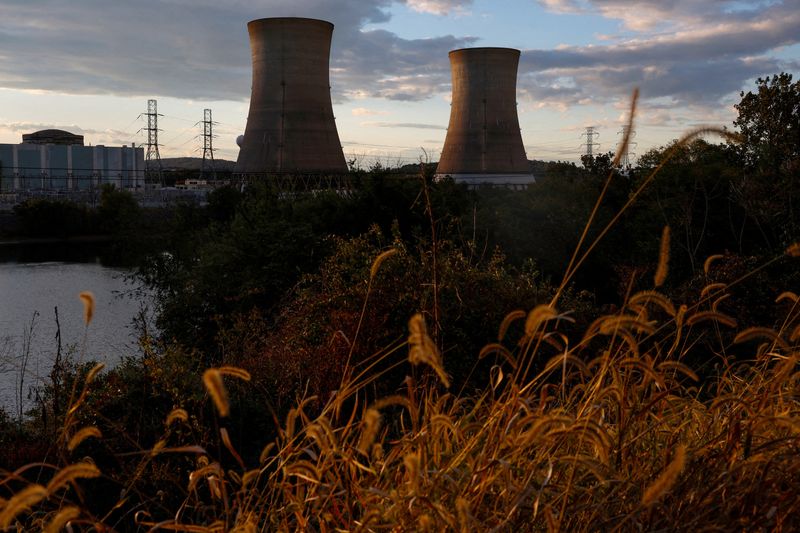
Photo caption: Nuclear plants
Japan’s newly elected Prime Minister, Sanae Takaichi, favors accelerating the restart of nuclear reactors as a way to reduce the G7 economy’s dependence on energy imports.
As part of its decarbonization plans, Japan has made a U-turn in nuclear energy policy and plans to rely more on nuclear reactors for its power supply in the coming decades. The country looks to have 20% of its electricity supply coming from nuclear power by 2040, up from below 10% now.
Before the Fukushima meltdown in 2011, nuclear energy accounted for about 30% of Japan’s electricity mix. The disaster prompted the closure of all reactors for safety checks. Since 2015, Japan has restarted 14 reactors out of 33, while 11 others are currently in the process of restart approval.
The new PM will be looking to restart nuclear reactors as soon as safely possible.
Takaichi is expected to keep nuclear power key to Japan’s energy policy and reduce support for large solar schemes if they involve China-made solar equipment. Offshore wind – which has recently seen a major setback with Mitsubishi Corporation dropping plans to develop three offshore wind projects in Japan amid unexpected changes and rising challenges – is also set to be mostly shunned by the new leadership.
Takaichi has also appointed Ryosei Akazawa, the key negotiator in the recent trade deal with the U.S., as Trade and Industry Minister, a role that includes the energy portfolio.
Akazawa’s appointment is a signal to the U.S. that Japan is willing to negotiate increased purchases of American energy, analysts have told Reuters.
Next week, the Japanese PM will present to visiting U.S. President Donald Trump a package to detail Japan’s commitment to buying U.S. energy, according to Reuters.
However, no firm commitment for the $44-billion Alaska LNG project, which the Trump Administration is pitching to partners in Asia, will be made, at least not at this point.
Japanese companies have been considering investments in the Alaska LNG project, but so far they have appeared to be concerned that the costs may be too high, considering the cold weather in Alaska and the scale of the pipelines needed to bring the project on stream.
=== Oilprice.com ===