
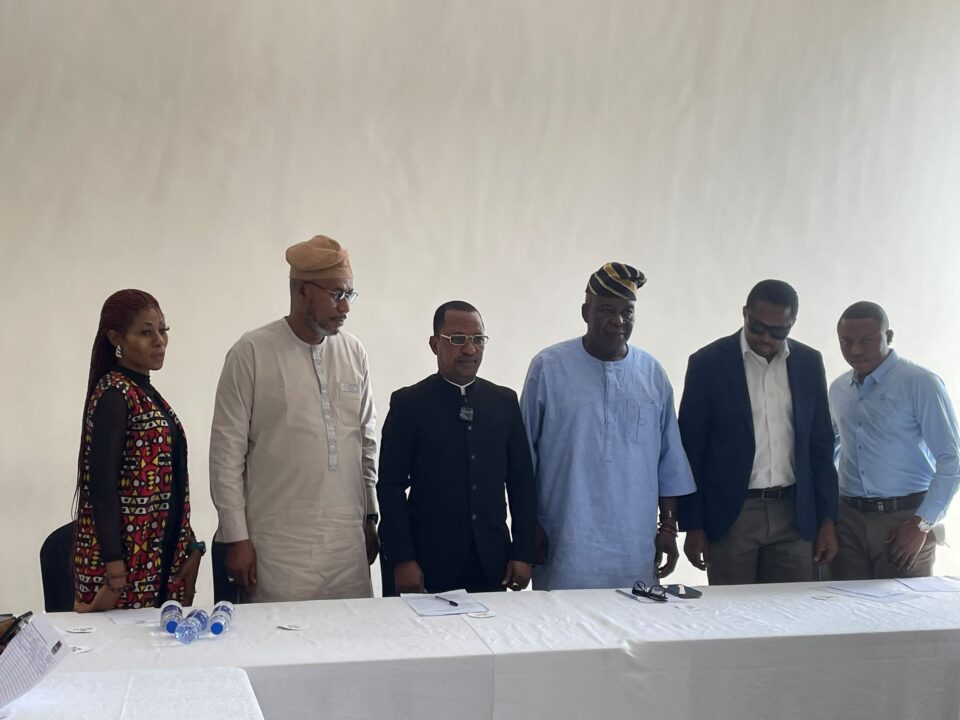
GTP urges private sector investment to end reliance on government borrowing for transport infrastructure
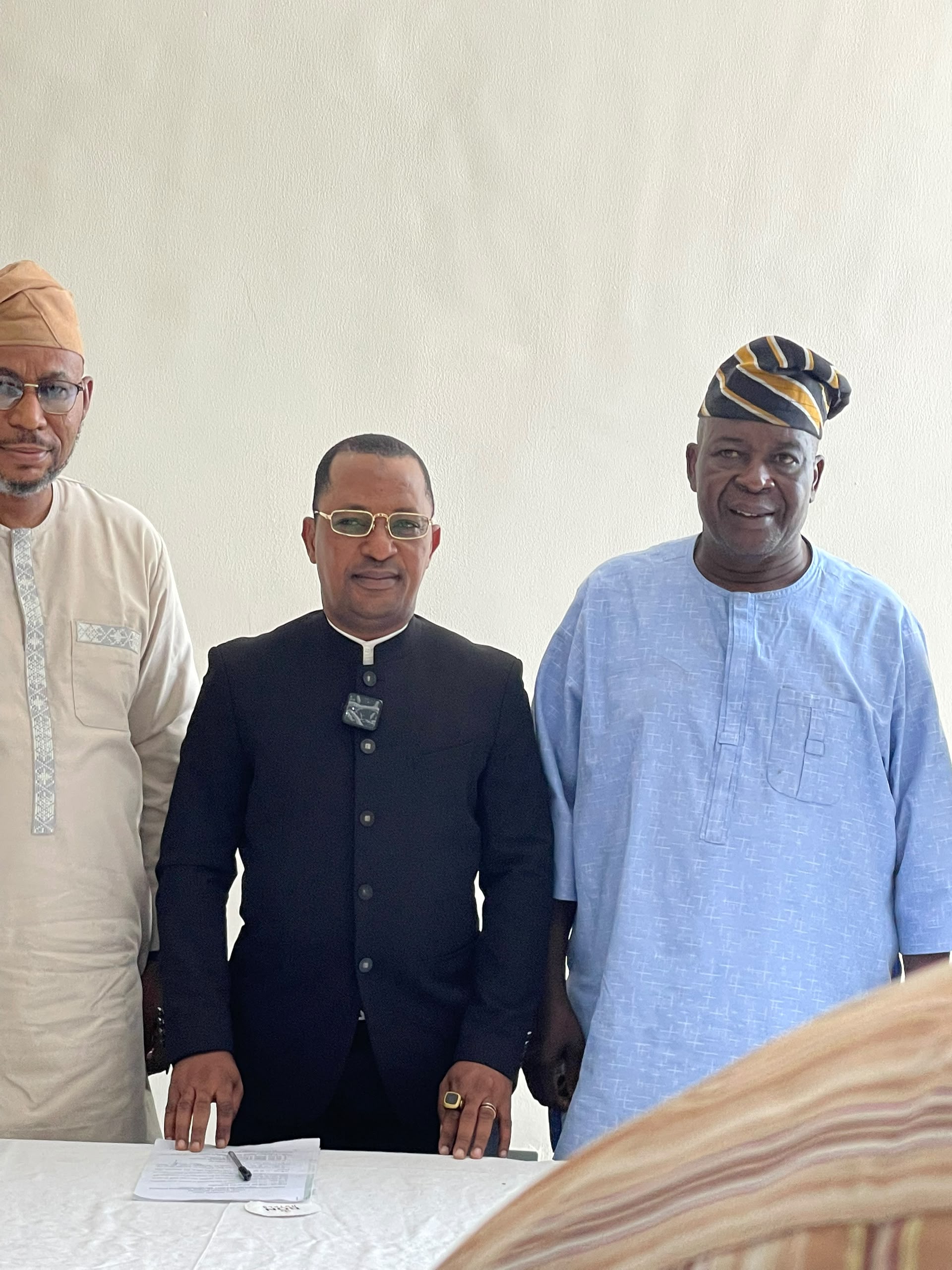
Ahead of the 4th GTP Annual Multimodal Roundtable Conference, Chairman of Global Transport Policy (GTP), Dr. Segun Musa, has called for increased private sector participation in Nigeria’s transport infrastructure development to reduce the Federal Government’s dependence on borrowing for road construction and maintenance.
Speaking at a press conference ahead of the conference, Dr. Musa expressed concern over the continuous borrowing by government to fund road projects while other modes of transportation receive inadequate attention.
According to him, private investors should be encouraged to participate in the development of transport infrastructure, including roads, railways, waterways, and ports, with opportunities to recover their investments through mechanisms such as tolling.
“We cannot allow government to continue borrowing endlessly for infrastructure development. We must create opportunities for interested private investors to support road construction and other critical transport projects,” he said.
Dr. Musa, who is also the Chief Executive Officer of Widescope Logistics International, noted that Nigeria’s growing industrialization requires durable and integrated transport infrastructure capable of supporting the movement of heavy equipment from seaports and airports to various economic corridors.
He stressed that without adequate infrastructure planning and maintenance, roads would continue to deteriorate under increasing industrial and commercial activities.
The conference, themed “Transforming Nigeria’s Transport System: Integrating Solutions for Safety, Efficiency and Sustainability,” will focus on strategies for developing a truly multimodal transport system.
Dr. Musa also emphasized the need to develop Nigeria’s waterways through the provision of navigational and safety facilities. According to him, many Nigerians avoid water transportation due to safety concerns and the absence of adequate support infrastructure.
He called on government to create an enabling environment that would attract private investment into all modes of transportation, particularly in capital-intensive infrastructure projects.
Also speaking, the Director of the Centre for Multimodal Transport Studies, University of Lagos, Professor Iyiola Oni, described investment as a critical pillar of transportation development and noted that government alone cannot meet the sector’s funding needs.
Professor Oni identified poor interconnectivity among transport modes as a major challenge facing Nigeria’s transport system. He highlighted the need for modernization of ports, improved information technology integration, intelligent transport systems, and stronger rail-port connectivity.
“When developing an integrated multimodal transport system, value must be created across every mode of transportation. Investment is crucial, and the Federal Government cannot do it alone. It requires effective Public-Private Partnerships,” he stated.
The 4th GTP Annual Multimodal Roundtable Conference is scheduled to hold on June 17, 2026, and is expected to attract participants from state governments, ministries, departments and agencies, as well as key stakeholders from the private sector.