
The Nigerian Maritime Administration and Safety Agency (NIMASA), says it has revived efforts to change the Terms of Trade for the affreightment of Nigerian crude oil from Free on Board (FOB) to Cost Insurance and Freight (CIF).
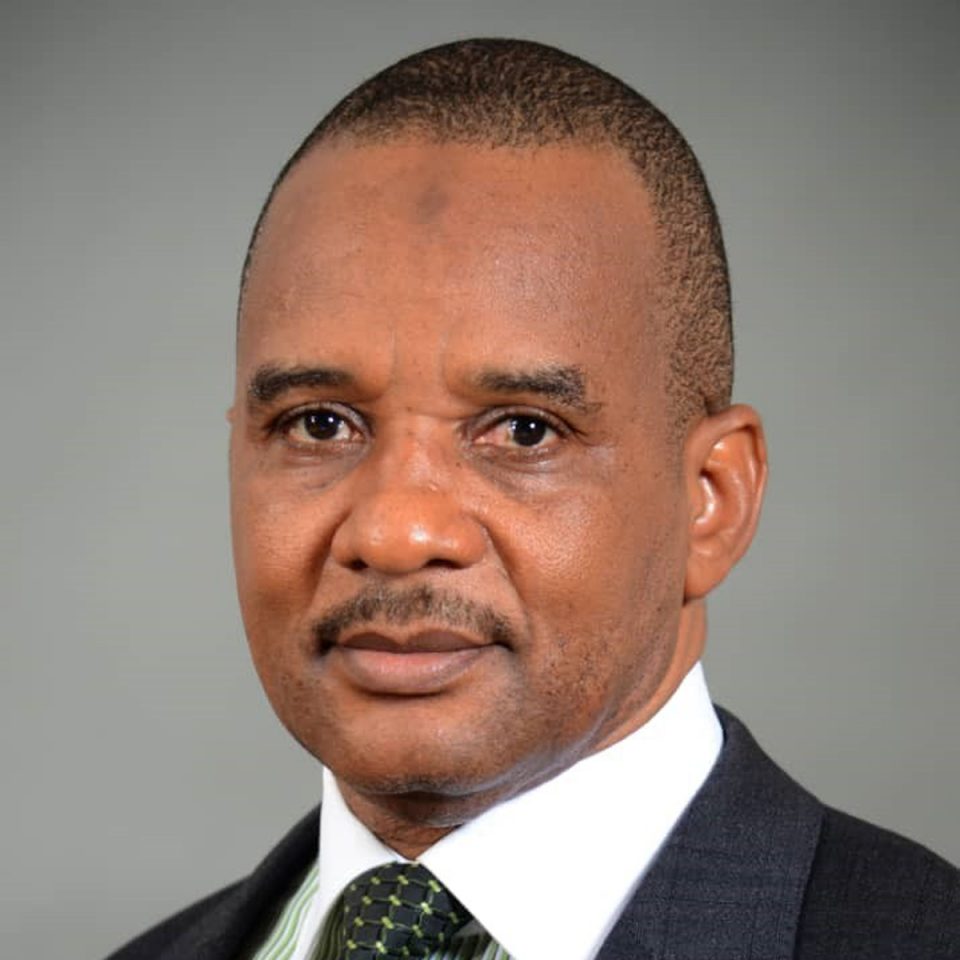
The Director-General of NIMASA, Dr Bashir Jamoh, disclosed this in a statement signed by Mr Philip Kyanet, Head, Corporate Communications of the Agency in Lagos on Sunday.
Jamoh made this known when he received a delegation from the Nigerian National Petroleum Corporation (NNPC), led by the newly appointed Group General Manager, Crude Oil Marketing Division, Mr Billy Okoye.
The D-G, who had recently paid a similar working visit to the Group Managing Director of the NNPC, Mele Kyari, expressed NIMASA’s appreciation to the NNPC for accommodating the Agency’s interests in transactions where the maritime regulator relied on data from the national oil company.
Jamoh was quoted as saying that: “Since 2018; NIMASA has championed moves for a change in terms of trade with regard to transportation of Nigerian crude oil, from FOB to CIF to ensure greater benefits for the country from its oil resources.
“A technical committee involving NIMASA, NNPC and other stakeholders will be set up to develop a template for the desired change, with workable timelines,” he said.
He noted that under FOB trade terms, Nigeria had no reasonable control over the delivery of its crude oil as regards carriage, insurance and other ancillary services.
According to him, under the CIF arrangement the country will maintain ample control over the distribution of its oil, which could be leveraged to enhance the competitive advantage of indigenous operators.
Jamoh commended the synergy between the NNPC and NIMASA, adding that 70 per cent of the agency’s revenue came through the sale of crude, thus, cooperation between them could not be over-emphasised.
The D-G disclosed further that the Maritime Intelligence Unit, recently established by the Agency was part of efforts to ensure a proactive approach to security in our waters.
He said that the focus was to try to nip maritime attacks in the bud by tracking the criminals from the preplanning and planning stages.
“The ultimate aim is to develop a National Maritime Security Strategy that will help to minimise the cost of insecurity, which NNPC bears on behalf of the country, in the shipment of Nigerian crude.
“We appreciate the NNPC for accommodating NIMASA in its processes. We do not delay vessels in the search for information on them because of the confidence we have in NNPC’s capacity to readily supply such information,” he said.
Jamoh appealed for more local content in the transportation of the country’s crude in line with the Cabotage regime.
While addressing the meeting earlier, Okoye declared that NIMASA was a critical stakeholder in the business of crude oil sale.
Okoye said his goal was to get the two agencies of government interfacing more closely with each other, to resolve challenges and ensure seamless movement of crude and petroleum products in the country.