
- NIMASA, NPA agree on wreck removal
The Federal Government has concluded arrangements to make the Integrated National Security and Waterways Protection Infrastructure, also called the Deep Blue Project, the central security structure for all anchorage areas in the Nigerian maritime domain. This is to reduce the cost of shipping goods into the country.
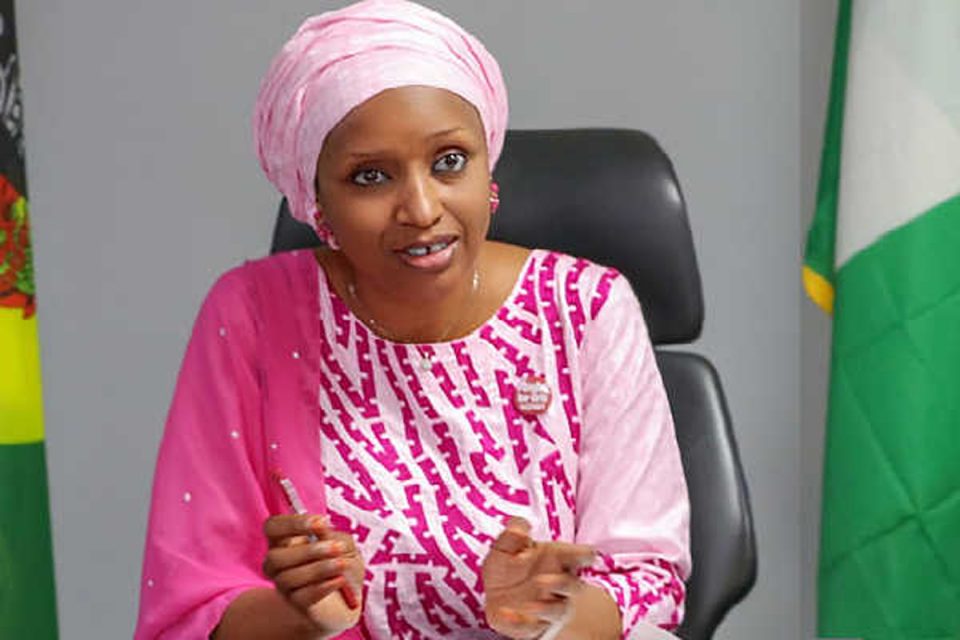
The Managing Director of the Nigerian Ports Authority (NPA), Ms Hadiza Bala Usman, disclosed this yesterday (Tuesday) in Lagos after a meeting with the Executive Management of the Nigerian Maritime Administration and Safety Agency (NIMASA) led by its Director General, Dr. Bashir Jamoh in Lagos.
The NPA boss also disclosed that both agencies have agreed to work out modalities for effective removal of all wrecks and derelicts that may hinder navigations in the Nigerian waters.
According to Ms Usman, NIMASA and NPA are sister agencies and should be seen to be collaborating more for the growth of the maritime industry and the country generally. She also disclosed that arrangements are on top gear to berth the NIMASA floating dockyard permanently in order for it to commence operations in July.
“We had a range of discussions bordering on the Secure Anchorage Area which our supervising ministry desires the Deep Blue Project to provide security for all anchorage areas in the country. Aside saving the country a lot of money, it will ensure that the security of the Nigerian Maritime domain is given a focal attention”.
She also disclosed that both agencies agreed to interlink the C3i of the NPA and C4i of NIMASA in order to interchange information that would assist the Nigerian Navy’s response to security.
“We have the C3i command, control and intelligence centre at NPA and NIMASA has the c4i while the Navy has falcon eye. We need to interlink these facilities and we believe that this would assist the country in response to maritime security threats”.
Corroborating the NPA stance, Jamoh reiterated the fact that there was need to harmonise most of the working models among all maritime agencies to avoid duplication of duties which also leads to more costs.