
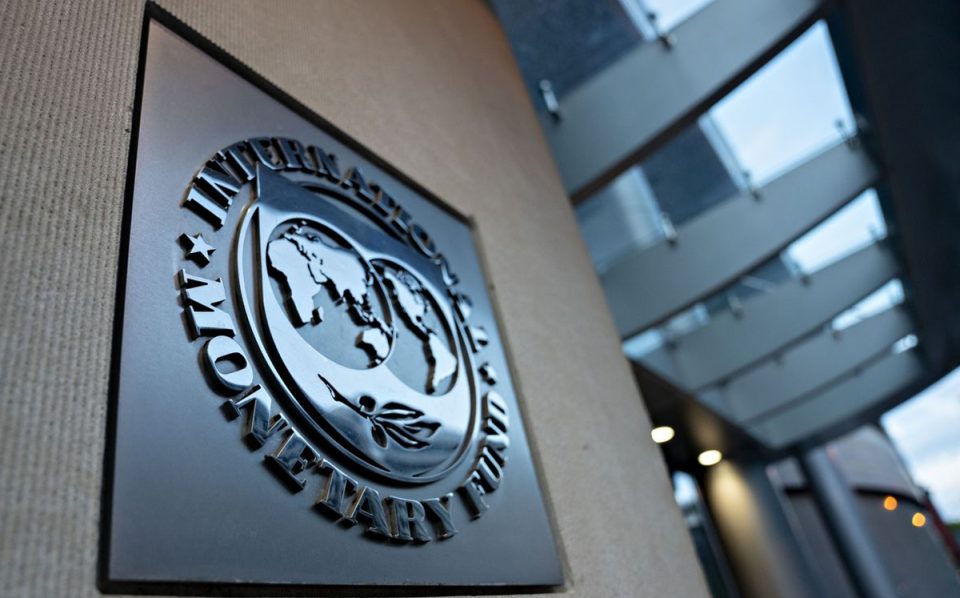
The International Monetary Fund (IMF) has called for massive investments ranging from $84 trillion to about $168 trillion over the next 28 years to address climate change related issues and its attendant vulnerability shocks across the globe.
IMF Managing Director, Kristalina Georgieva and Tobias Adrian, Head of the IMF Capital Markets Departments, in a piece released yesterday, said governments would be required to play more catalytic role in propelling private sector funding to deal with climate change.
In the article entitled; ‘Public Sector must play major role in catalyzing Private Climate Finance,’ which featured in IMF Blog, Georgieva and Adrian said climate change remains one of the “most critical macroeconomic and financial policy challenges that IMF members face in coming decades,” saying the recent spikes in the cost of fuel and food and the resulting risks of social unrest, underline the importance of investing in green energy and boosting resilience to shocks.
“It will require massive global investments to address the climate challenge and vulnerabilities to shocks,” the duo said, adding that estimates ranging “from $3 trillion to $6 trillion per year until 2050,” will be required to fix the attendant challenges.
In underscoring the magnitude and urgency of the climate change problem, the IMF chiefs said the current level at about $630 billion devoted to climate change is “just a fraction of what’s really needed, adding that very little of that fund goes to developing countries.
“That’s why we need a major shift to harness public and, especially, private financing. With $210 trillion in financial assets across firms, or roughly twice the gross domestic product of the entire world, the challenge for policymakers and investors is how to direct a big share of these holdings to climate mitigation and adaptation projects,” they said, pointing out that this is the focus of a new IMF Staff Climate Note on mobilising private climate financing in emerging market and developing economies.
It explores the factors that limit climate finance and what policymakers can do to address them, they stated.