

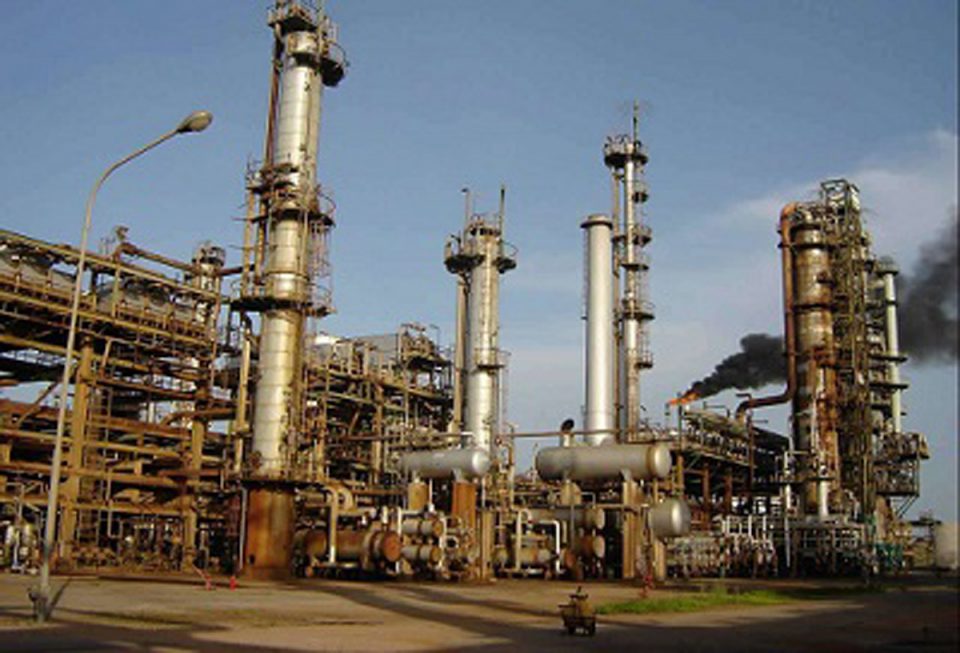
Photo caption: A refinery
Russia has started importing fuels from India, Bloomberg reported today, citing Kpler data that shows one cargo of 42,000 tons of gasoline from Nayara Energy’s Vadinar refinery arriving in Russia earlier this month.
The Vadinar refinery is partly owned by Rosneft, which supplies the crude oil that is processed at the facility. Those shipments were disrupted last November, after the United States sanctioned Russia’s largest oil exporter.
The Vadinar cargo was loaded in mid-June, the report said, on a Russian-flagged tanker and was then shipped to Egypt, where it was transferred to an Omani-flagged fuel carrier and sent to Russia, where it arrived on August 5.
“The emergence of Indian barrels is particularly notable,” Kpler lead analyst Sumit Ritolia told Bloomberg. The shipment highlights “the severity of the current domestic petrol imbalance, and the extent to which lower refinery runs are reshaping Russia’s traditional product trade flows,” the analyst also said.
According to estimates by EA Analytics cited by Bloomberg, Russia’s refinery runs stood at 3.6 million barrels daily in July, which was over 30% lower than the seasonal average. However, oil export figures suggest that this is changing. Russia’s seaborne crude exports fell to their lowest level since May last month, as recovering refinery runs pulled barrels back into domestic processing, while Ukrainian drone attacks disrupted loading at key ports.
Russia shipped 3.71 million barrels per day in the four weeks through August 9, according to vessel-tracking data compiled by Bloomberg and reported earlier this week. Shipments averaged just 3.25 million barrels daily in the latest week, down from 3.5 million barrels daily a week earlier.
The fuel crunch pain resulting from the refinery attacks is sending a ripple effect across markets, however. Russia banned diesel exports earlier this year to secure more supply for the domestic market amid the drone strikes, which aggravated a supply tightening caused by refinery damages in the Middle East and the closure of the Strait of Hormuz. That ban was recently extended until the end of the year.
=== Oilprice.com ===