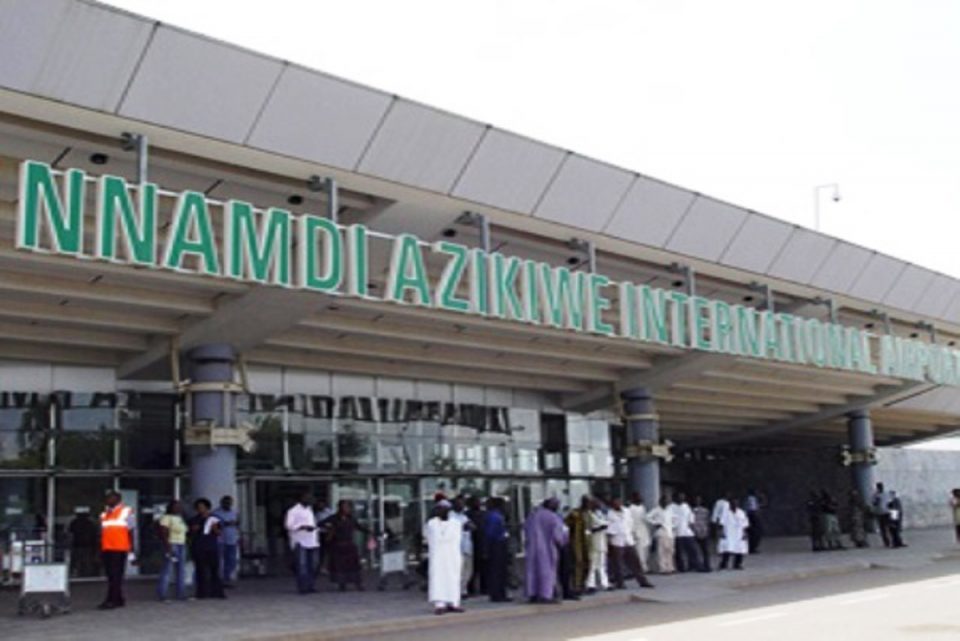
The Domestic Airports Cargo Agents Association (DACAA) has announced that Nigeria lost about N7 billion within the two days the organised labour embarked on nationwide industrial strike.
Airlines suspended operations indefinitely across the nation as a result of the strike action by the Nigerian workers under the directives of the Nigeria Labour Congress (NLC) and the Trade Union Congress (TUC) on Monday and Tuesday.
Chairman, Board of Trustees of the DACAA, Mr Ikpe Nkanang, disclosed this in an interview with journalists on Friday in Lagos.
Nkanang said that about 30 tonnes of cargo were lifted across the country’s domestic airports daily, noting that the volume of cargoes dumped during the two-day strike could only be imagined.
“For those two days the airlines were not working, and once the airlines are not working, cargo cannot move, and it is a great loss to all of us.
“You needed to see the volume of cargoes that were dumped over those two days; of course, you know we gathered cargoes during the weekend, hoping that by Monday and Tuesday we would be able to send them out.
“It was a colossal loss to us in the cargo world, it affected our income and, of course, the economy of the country.
“For those few hours of the strike, the country lost about N7 billion across all local airports,” Nkanang said.
Nkanang also clarified that transporting a kilogramme of cargo costs N300 and urged the Federal Government to reach an agreement with the organized labour in time to avert resumption of the strike.