
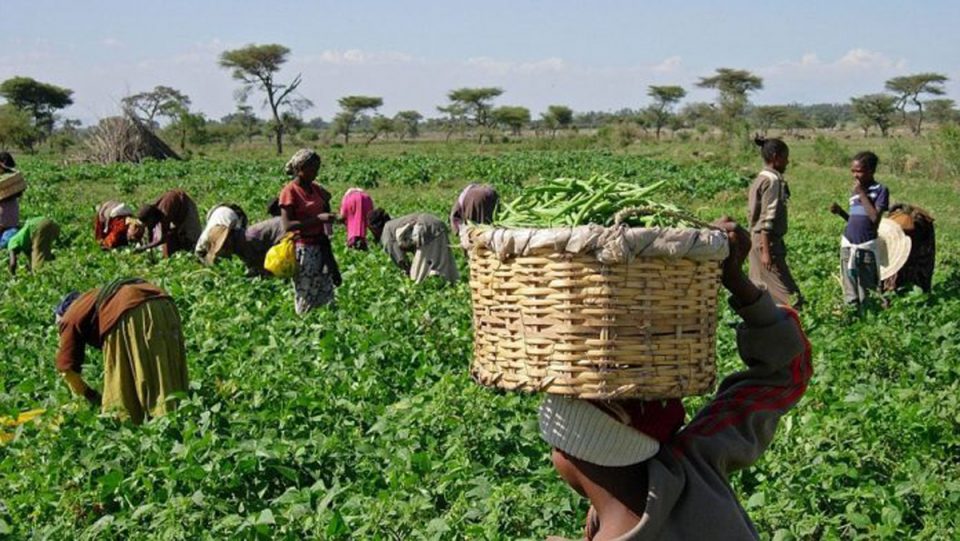
Photo caption: A farm in Nigeria
By Ademola Oyetunji
On a humid morning in Benue State, 54-year-old yam farmer, Mama Ruth, looks across her field and sighs. “When the rains fail, we pray. When the roads fail, we cry. When the buyers don’t come, we waste,” she says, her hands dusted with soil. Her words, equal parts resilience and lament, echo a wider truth about Nigerian agriculture 65 years after independence: a nation with so much promise, still struggling to fully feed itself.
The dream of 1960
When Nigeria raised its green-white-green flag in 1960, agriculture was the pride of the new nation. Cocoa from the West, groundnut pyramids from the North, and palm oil from the East filled government coffers and fed families. “Those days, farmers built houses, trained their children in school, and lived with dignity,” recalls 82-year-old retired cocoa farmer Pa Ade in Ibadan. “We thought agriculture would never fail us.”
But with the discovery of oil in the 1970s, the story changed. Easy petro-dollars overshadowed the toil of the soil, and agriculture, once the backbone, became a neglected limb.
Fields of frustration
Today, Nigeria produces more cassava and yams than almost any country in the world, yet the paradox persists: food insecurity is rising, and imports of wheat, rice, palm-oil and even tomato paste drain foreign exchange. Why? Farmers, traders, and experts point to a common set of struggles.
“The road from my farm to the market is just 12 kilometers, but it takes over two hours,” says Ibrahim, a maize farmer near Kano. “By the time I arrive, half of my produce is bad. If government fixed only the roads, we would double our income.”
In Delta, young poultry farmer Chioma tells another story. “Feeds are too expensive. Banks don’t trust us. Sometimes you think, should I even continue? But I stay because farming is my passion.”
Their stories highlight the bigger issues: land tenure laws that discourage long-term investment, policies that shift with every government, and a lack of processing plants that could turn raw crops into jobs and exports.
Missed chances, lingering gaps
Nigeria’s biggest missed opportunity, analysts argue, has been its failure to connect farmers to markets in a consistent, profitable way. While programmes like fertilizer subsidies and anchor-borrower loans have shown flashes of success, they have often been riddled with leakages or cut short before taking root. Meanwhile, insecurity in food basket regions has forced many farmers off their land.
Yet there are sparks of hope. In Ogun and Kaduna, new agro-processing hubs are beginning to show what’s possible. Youth-led agri-tech platforms are connecting farmers to buyers with just a phone click. And initiatives in climate-smart irrigation are giving some farmers water security for the first time.
The way forward
What would it take to turn the corner? Farmers themselves are clear. “We don’t need too much,” Mama Ruth says. “Good seeds, fair prices, roads to carry our goods, and peace to farm in safety. Give us these, and we will feed Nigeria.”
Policy expert echos her call, urging government to be committed to a long-term agricultural plan insulated from political cycles. Investment in rural infrastructure, better land policies, and partnerships with the private sector for processing and storage could lift millions out of poverty.
Soil as destiny
At 65, Nigeria’s journey in agriculture is a story of resilience of farmers who keep planting even when the odds are stacked against them, most communities and famers remember the days when groundnut pyramids touched the sky, and we are a nation still searching for a way to make its soil yield true prosperity.
If Nigeria chooses wisely in the next decade, the dream of independence, not just political, but economic and nutritional, may finally come true. This is because as every farmer knows, the harvest is not decided only by the past, but by the seeds we plant today.
Conclusion
A prosperous and secured Nigeria is without oil is possible.
Ademola Oyetunji is the National PRO 2, All Farmers Association of Nigeria (AFAN).