
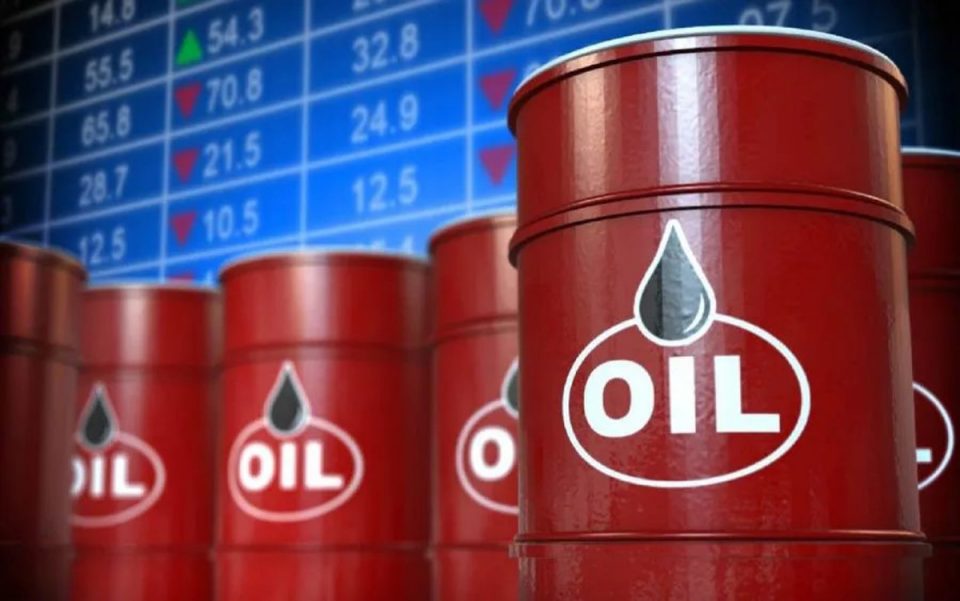
Photo caption: Oil
Oil prices fell 2% on Tuesday, marking their third day of declines as investors assessed the effect of U.S. sanctions on Russia’s two biggest oil companies along with a potential OPEC+ plan to raise output.
Brent crude futures fell $1.29, or 2%, to $64.33 a barrel at 0856 GMT. U.S. West Texas Intermediate crude futures were down $1.20, or 2%, at $60.11.
“Traders weighed up progress in U.S.-China trade talks and the broader outlook for supply,” ANZ said in a morning note.
The softer prices come after Brent and WTI last week registered their biggest weekly gain since June, reacting to U.S. President Donald Trump’s decision to impose Ukraine-related sanctions on Russia for the first time in his second term, targeting oil companies Lukoil and Rosneft.
Investors continue to chew over how effective those sanctions on Russia might be.
“The oil market is still debating whether the latest sanctions will impact Russian oil exports or not, with market players reducing somewhat the supply risk premium built in last week,” said UBS analyst Giovanni Staunovo.
The effect of sanctions on oil-exporting countries will be limited because of surplus capacity, International Energy Agency Executive Director Fatih Birol said on Tuesday.
Following the U.S. sanctions, Russia’s second-largest oil producer, Lukoil said on Monday it would sell its international assets. This is the most consequential action so far by a Russian company in the wake of Western sanctions over Russia’s war in Ukraine, which started in February 2022.
Meanwhile, Indian refiners have not placed new orders for Russian oil purchases since sanctions were imposed, as they await clarity from the government and suppliers, sources told Reuters on Tuesday.
OPEC+, which groups the Organization of Petroleum Exporting Countries and allies including Russia, is leaning toward another modest output boost in December, four sources familiar with the talks told Reuters.
Having curbed production for several years in a bid to support the oil market, the group started reversing those cuts in April.
Investors will watch the prospect of a trade deal between the U.S. and China, the world’s two biggest oil consumers, with Trump and President Xi Jinping due to meet on Thursday in South Korea.
Beijing hopes Washington can meet it halfway to “prepare for high-level interactions” between the two countries, Foreign Minister Wang Yi told U.S. Secretary of State Marco Rubio in a phone call on Monday.
=== Reuters ===