
Consolidating the gains of Nigeria’s oil and gas reforms
By James Hemen Shindi
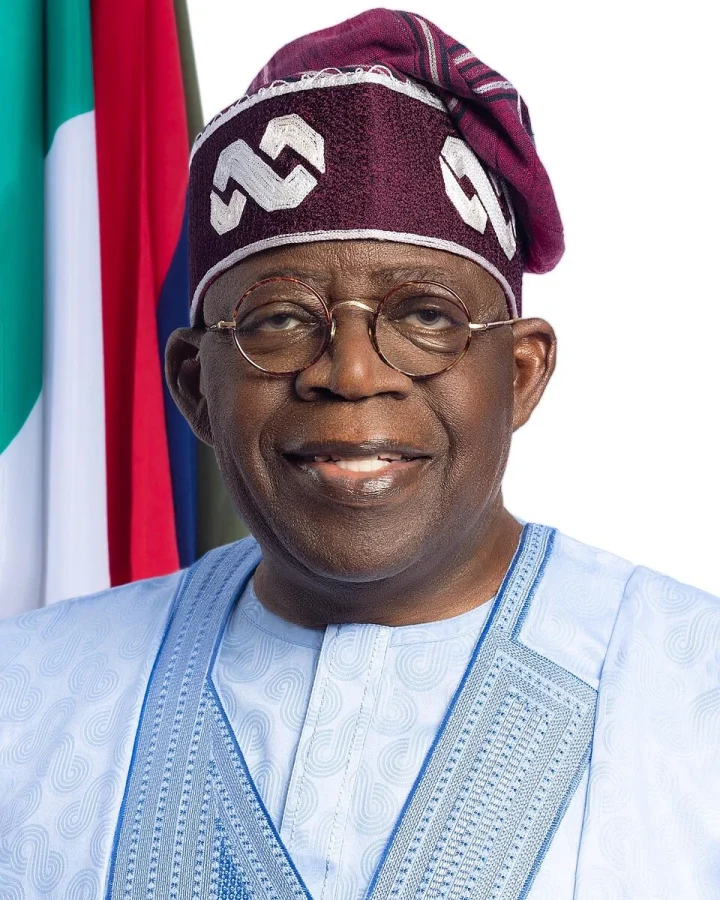
His Excellency, President Bola Ahmed Tinubu, GCFR
President and Commander-in-Chief of the Armed Forces
Federal Republic of Nigeria
State House, Abuja
Your Excellency,
I write in my personal capacity as a Nigerian and an energy-sector stakeholder to acknowledge the important steps your administration has taken to reposition Nigeria’s oil and gas industry, rebuild investor confidence and ensure that the country derives greater value from its petroleum resources.
For many years, the sector was constrained by regulatory uncertainty, lengthy approvals, high operating costs, declining investment, insecurity and weak accountability. Your administration’s decision to confront these challenges through executive orders, fiscal incentives and institutional reforms has therefore been timely and significant.
The oil and gas executive orders introduced in 2024 represented a decisive move from policy discussion to practical action. Fiscal incentives for non-associated gas, midstream and deepwater developments have improved the commercial outlook for projects essential to Nigeria’s energy future. The directive to reduce petroleum contracting timelines has also addressed one of the industry’s most persistent concerns: delays and bureaucracy that made Nigerian projects more expensive and less competitive.
The results are beginning to show in national production. According to the Nigerian Upstream Petroleum Regulatory Commission, Nigeria’s crude oil and condensate output averaged 1.735 million barrels per day in June 2026, marking a fourth consecutive month of growth. Crude oil production alone reached 1.56 million barrels per day, representing 104 per cent of Nigeria’s OPEC quota and the country’s highest crude output since April 2020. This is an important, measurable indication that improved security, regulatory coordination, operating stability and industry execution are producing results.
The renewed investment momentum is equally significant. The Ubeta gas development, Bonga North and HI Gas projects have now been joined by the US$1 billion Usan Infill Project, which is expected to add approximately 40,000 barrels of oil per day. ExxonMobil’s return to drilling in Nigeria after a decade is an important signal that clearer fiscal terms, constructive regulatory engagement and improved project economics are rebuilding investor confidence.
Your administration also deserves recognition for improving domestic crude supply, resolving long-standing commercial disputes and strengthening confidence in the regulatory environment. The resolution of the OPL 245 dispute removed a major obstacle to the possible development of the Zabazaba-Etan project, while stronger enforcement of the Domestic Crude Supply Obligation has provided a firmer basis for supporting local refining and reducing dependence on imported petroleum products.
The Presidential Executive Order to Safeguard Federation Oil and Gas Revenues and Provide Regulatory Clarity, effective from 13 February 2026, is another significant reform. Directing specified royalties, taxes, profit oil, profit gas and other government entitlements to the Federation Account should strengthen transparency, fiscal discipline and confidence that the Federation is receiving revenues due to it. The continued reform of NNPC Limited must remain central to this objective.
The Deep Offshore Oil and Gas Projects Incentives Order 2026 further strengthens this direction by reducing reliance on prolonged project-by-project negotiations and establishing clearer production-based incentives, eligibility conditions and investment timelines. Nigeria must compete for global energy capital at a time when investors are increasingly selective. A predictable, rules-based framework can unlock developments that might otherwise remain stranded.
Your administration has reinforced the place of natural gas at the centre of Nigeria’s industrialisation strategy and, importantly, supported that ambition with tangible infrastructure progress. The completion of the River Niger crossing on the OB3 Gas Pipeline is a particularly important achievement. By unlocking more than 500 million standard cubic feet per day of incremental gas-supply potential and connecting eastern resources more effectively with western and northern markets, the project provides tangible infrastructure behind the administration’s gas-led industrialisation agenda.
Gas should not be viewed only as an export commodity. It must power electricity generation, fertiliser plants, petrochemical facilities, manufacturing clusters and transportation. New gas projects should therefore be assessed by both their export contribution and their impact on domestic industrial development, without losing sight of the substantial foreign markets and revenues available to Nigeria.
The rapid expansion of compressed natural gas conversion and refuelling infrastructure also represents an important attempt to translate Nigeria’s abundant gas resources into more diversified domestic transport energy. The benefit to citizens will ultimately depend on reliable supply, wider infrastructure coverage and savings that are passed through to transport users.
Your administration’s approach to local content has been equally encouraging. Nigeria is promoting indigenous participation while recognising the importance of technical competence, delivery capacity and cost competitiveness. Local content must continue to evolve beyond quotas into the development of Nigerian enterprises capable of competing internationally. Companies benefiting from fiscal incentives should establish measurable supplier-development programmes, invest in skills and technology transfer, pay Nigerian contractors promptly and create genuine opportunities across the value chain.
The transition towards measurement-based methane and greenhouse-gas reporting, alongside the award of flare-gas utilisation permits, also signals that production growth is being pursued with greater attention to environmental accountability and the commercial use of previously wasted gas. These measures should be implemented consistently and reported transparently.
Your Excellency, these achievements are significant, but their ultimate success will depend on sustained implementation. Nigeria has previously announced sound policies that failed to deliver their full potential because of institutional weakness, policy reversals and inadequate follow-through. The present momentum must not be allowed to slow.
I agree with Your Excellency that policy stability must remain a priority. Oil and gas projects require substantial capital and operate over decades. Investors must be confident that fiscal terms, contracts and regulatory processes will not change unexpectedly after capital has been committed. Where necessary, the executive orders should be reinforced through legislative and regulatory alignment so that the reforms become enduring national policy rather than temporary interventions.
Your insistence that implementation must be measurable is especially important. The regularly published petroleum-sector scorecard covering approval timelines, production, new investment decisions, domestic crude and gas supply, pipeline losses, local-content outcomes, environmental performance and revenues remitted to the Federation Account has strengthened accountability.
The ongoing effort to restore commercial discipline and accountability to the state-owned refineries is equally important. As the administration determines the most viable operating, partnership, concession or ownership model, progress should be supported by independently verifiable milestones, transparent costs and clear responsibility for performance. The overriding objective must remain reliable production and the protection of public value.
Mr President, your administration has created an important opportunity to restore Nigeria’s position as a leading oil and gas investment destination. The production gains, renewed project commitments, gas-infrastructure progress and clearer fiscal frameworks now emerging justify recognition. They also make the case for deeper institutionalisation of the reforms.
I must commend His Excellency for assembling a remarkable team in the energy space to drive your well-thought-out agenda. From both Ministers of State (Oil and Gas), Senator Heineken Lokpobiri and Hon. Ekperipe Ekpo; the Special Adviser to the President on Energy, Mrs. Olu Arowolo Verheijen; the heads of the regulatory agencies, Mrs. Oritsemeyiwa Eyesan, Commission Chief Executive, Nigerian Upstream Petroleum Regulatory Commission (NUPRC), Mr. Rabiu Abdullahi Umar, Authority Chief Executive, Nigerian Midstream and Downstream Petroleum Regulatory Authority (NMDPRA), Engr. Felix Omatsola Ogbe, Executive Secretary, Nigerian Content Development & Monitoring Board (NCDMB) and the team at the NNPC Ltd led by Engr. Bashir Bayo Ojulari. Commendation also goes to the civil service structure that supports the agencies and parastatals led by the Permanent Secretary, Mrs. Patience Oyekunle, for their professionalism driven by a deep sense of patriotism and urgency to make a difference.
As events continue to unfold in Ukraine/Russia and the Strait of Hormuz, the next few months will be increasingly challenging. Nigeria must take steps to secure local crude supplies for refining at costs that make sense to local consumers. The US is taking steps to ban its diesel exports, along with other refined products. This will no doubt create shocks in the international market, and Nigeria needs to be prepared for the aftershocks.
History will judge this programme not by the number of executive orders issued, but by whether the reforms deliver sustained production, stronger public revenues, energy security, competitive Nigerian businesses, cleaner host communities and improved living standards. The direction is encouraging. I respectfully urge Your Excellency and the administration to stay the course, sustain policy stability, demand measurable accountability and convert today’s momentum into enduring national value
James Hemen Shindi is CEO Brevity Anderson Limited and Conference Director: Nigeria International Energy Summit (NIES)