
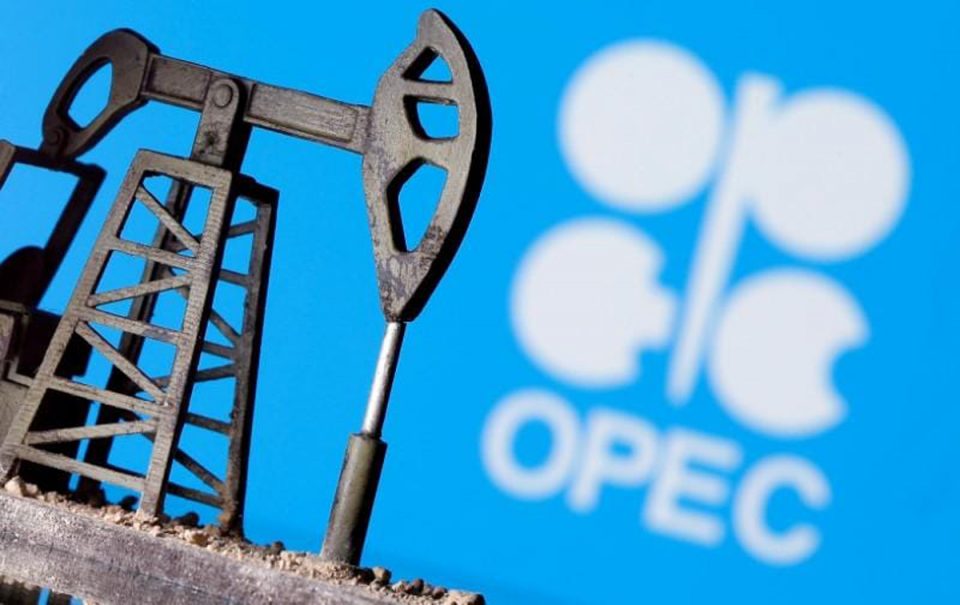
Photo caption: OPEC logo
The market share of OPEC+, formed in late 2016 by the Organization of the Petroleum Exporting Countries and allies led by Russia, has slipped to all-time lows after output cuts since 2022 and supply increases by the US and other producers, according to the International Energy Agency.
Reuters reports that OPEC+ is strategically reducing oil supply and ceding market share with a long-term view so that the producing countries secure enough investments, while oil prices suit both producers and consumers, Russian Deputy Prime Minister Alexander Novak said.
Novak was speaking to Al Arabiya News outlet; the transcript of the interview dated Sept. 28 was provided by his office in Russian on Monday.
Asked if maintaining market share was more important than the price, Novak replied it would be wrong to think short term.
“Yes, we are probably deliberately moving, temporarily losing market share, but we are looking forward not to today, but to the future,” Novak said.
“It is important that, firstly, the energy sectors in exporting countries develop so that investments continue. This requires prices that would satisfy both exporters and importers, so as not to slow down the growth of demand, prices should not be high,” he added.
The market share of OPEC+, formed in late 2016 by the Organization of the Petroleum Exporting Countries and allies led by Russia, has slipped to all-time lows after output cuts since 2022 and supply increases by the U.S. and other producers, according to the International Energy Agency.
OPEC+ oil output is equal to 48% of world supply, according to Reuters calculations based on IEA figures.
Earlier this month, OPEC+ agreed to delay a planned gradual oil output increase to December from October after crude prices hit their lowest in nine months, saying it could further pause or reverse the hikes if needed.
OPEC+ ministers hold a full meeting of the group to decide policy on Dec. 1. A group of top OPEC+ ministers called the Joint Ministerial Monitoring Committee that can recommend changes gathers on Oct. 2.
Novak also told Al Arabiya News that the current oil price, which has averaged at around $80 a barrel year-to-date, is well-balanced and meets the needs of consumers and producers.
He said he expected oil prices’ fluctuations will subside following volatility spurred by the tensions in the Middle East as geopolitical risks are already factored in.
Global benchmark Brent crude futures ended Monday just below $72, posting a 9% drop in September, its biggest monthly decline since November 2022. After falling for a third consecutive month, it slumped 17% in the third quarter, its biggest quarterly loss in a year.