
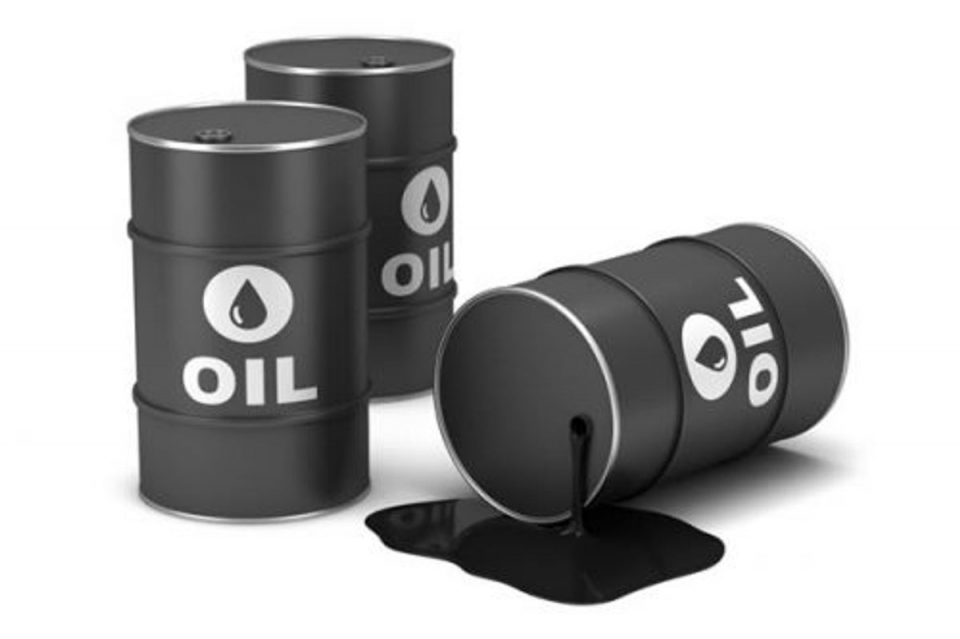
Photo caption: Oil
Crude rallied after Iran said some of its energy facilities had come under attack and threatened retaliation on oil and gas facilities in neighboring countries.
Brent spiked above $108 a barrel, after adding more than 3% on Tuesday. Iranian state TV said part of the giant South Pars gas field was hit in an airstrike, as were Asaluyeh oil industry facilities. Iran pledged to strike back and hit enemy sites previously thought to be safe, the semi-official Fars news agency reported.
The attack on Iranian energy assets is the latest escalation in a conflict that’s disrupting swaths of global oil supply. Brent crude has surged almost 80% this year, with traffic all-but halted through the Strait of Hormuz, which handles about a fifth of the world’s oil and liquefied natural gas.
The conflict has sent energy prices soaring, triggered fuel shortages in Asia and spawned concerns about faster global inflation. European gas futures also jumped after the attack.
“The immediate impact of a potential closure of the Strait of Hormuz, something the US administration may have significantly underestimated, is higher energy prices,” said Tamas Varga, an analyst at brokerage PVM. “The US’s objectives in Iran remain unclear, and the end of the conflict is nowhere in sight.”
Iran earlier also vowed revenge for attacks that led to the death of its security chief Ali Larijani, while President Donald Trump said the US could end the conflict in the near future.
Gulf nations are still enacting workarounds for Hormuz. Iraq will resume exports through a pipeline that links the semi-autonomous region of Kurdistan to Turkey’s Mediterranean port of Ceyhan. But the rerouting can only ship a fraction of the OPEC producer’s output, which has dropped to about a third of levels before the war.
Fuel price hikes — with US diesel prices at the pump topping $5 a gallon this week — will be scrutinized by central bankers around the world as they steer monetary policy. US Federal Reserve officials gather later on Wednesday to set interest rates, though no change is expected.
The oil market’s focus remains firmly on the Hormuz chokepoint. Traffic conditions are now shaped by a political calculus, with Iran likely allowing just a handful of vessels to transit based on their affiliations, while deterring or blocking most others.
Though headline price moves have been more muted in recent days, other gauges in crude markets are still seeing wild swings. West Texas Intermediate crude’s discount to Brent expanded to more than $11 at one point on Wednesday, the biggest since July 2022. US futures have weakened in part because of hedging around the release of emergency reserves.
“With no end in sight to hostilities, shut-ins rising on a daily basis, and the Strait technically closed, we remain of the view that Brent is set to remain in a new, higher $95-to-$110 range,” said Robert Rennie, head of commodity research at Westpac Banking Corp. “Were we to see a major refinery plant hit or confirmation of additional mining of the strait, we would expect that range to extend higher by another $10-$20,” he added.
=== Bloomberg ===