
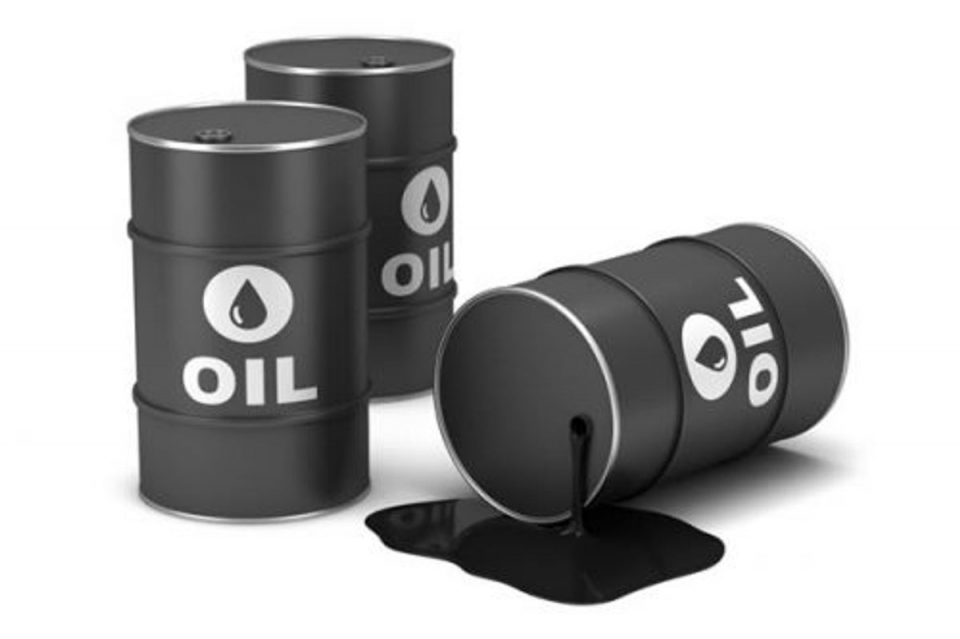
Photo caption: Oil
Oil prices jumped on Thursday as Iran stepped up attacks on oil and transport facilities across the Middle East, raising fears of a prolonged conflict and oil-flow disruptions through the Strait of Hormuz.
Brent futures rose $8.54, or 9.28%, to $100.52 a barrel at 0354 GMT, while U.S. West Texas Intermediate crude was up $7.22, or 8.28%, to $94.47.
Brent hit $119.50 a barrel on Monday, its highest since mid-2022, then dropped after U.S. President Donald Trump said the Iran war could be over soon.
On Wednesday, a spokesperson for Iran’s military command said: “Get ready for oil to be $200 a barrel, because the oil price depends on regional security, which you have destabilised,” in remarks directed at the U.S.
There are no signs of a de-escalation in the Gulf and as a result, there is no end in sight to the disruptions to oil flows through the Strait of Hormuz, ING analysts said on Thursday.
“The only way to see oil prices trade lower on a sustained basis is by getting oil flowing through the Strait of Hormuz,” ING said. “Failing to do so means that the market highs are still ahead of us.”
Two foreign tankers carrying Iraqi fuel oil were hit by unidentified attackers in Iraq’s territorial waters, causing them to catch fire, the director general of the General Company for Ports, Farhan al-Fartousi, told Reuters on Wednesday.
An initial investigation from Iraqi security officials showed explosive-laden boats from Iran had hit the two tankers.
The International Energy Agency has agreed to release a record 400 million barrels of oil to help rein in prices that have spiked after the U.S.-Israeli war on Iran broke out. The U.S. is contributing the bulk of that release – 172 million barrels – from its Strategic Petroleum Reserve.
“The IEA’s release of oil reserves may be only a temporary solution, as disruptions to oil shipments through the Strait of Hormuz and a major production halt in some Middle Eastern countries could cause a long-term supply crunch,” said Tina Teng, a market strategist at Moomoo ANZ.
The ING analysts said there are concerns about how quickly the oil can make it to the market and whether it will be sufficient to tide consumers over until oil begins flowing through the Strait of Hormuz again.
=== Reuters ===