
The Federal Government through the National Social Safety Nets Coordinating Office is developing a Rapid Response Register to scale up the enrollment of poor and vulnerable citizens in urban centres.
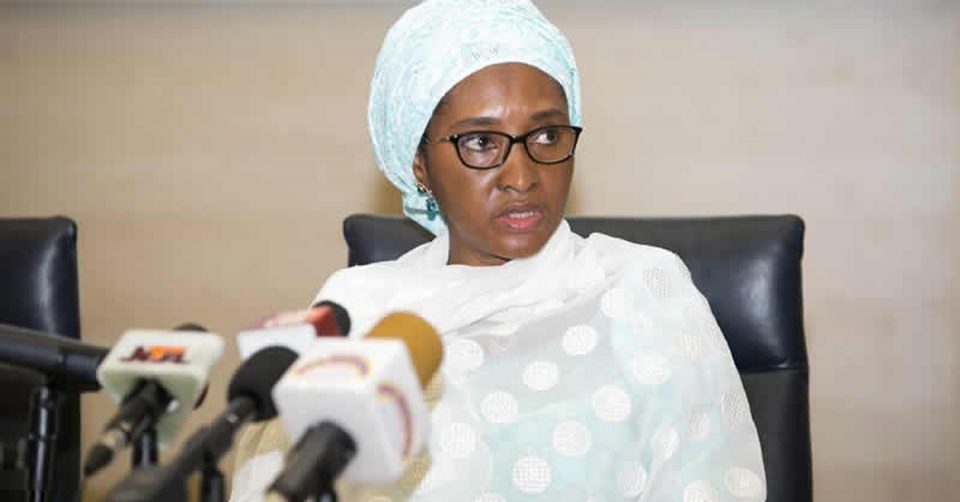
Minister of Finance, Budget and National Planning, Zainab Ahmed, disclosed this in her remarks at the Open Government Partnership 2020 Virtual Leaders’ Summit Roundtable.
The theme of the roundtable was ‘Open Recovery: Tracking the trillions of dollars in stimulus and safety net packages’.
Ahmed said the poor and vulnerable Nigerians captured in the register would benefit from cash transfers to cushion the socioeconomic impact of COVID-19 pandemic.
A statement issued in Abuja by the minister’s Special Assistant on Media and Communications, Yunusa Abdullahi, stated that the event was to advance discourse and innovation around open response and open recovery measures in response to the COVID-19 pandemic.
The finance minister said data for the response register were being sourced through primary and secondary sources, including the Nigeria Inter-bank Settlement System and the National Communication Commission database on mobile phone users.
To ensure transparency and to mitigate corruption risks, she said that payments would be made directly to the accounts of the individuals using their bank verification numbers.
On government’s response to the COVID-19 pandemic, Ahmed said, “Our response to the COVID-19 pandemic under the leadership of Mr President has been proactive, people-oriented and aimed at averting drastic economic decline and protecting our most vulnerable citizens.”
The minister told participants at the summit that the government amended the 2021-2023 Medium-Term Fiscal Framework and the 2020 Appropriation Act and introduced a fiscal stimulus package of N2.3tn (about $5.9bn).
She said the government was also scaling up social safety nets, including cash transfers and school feeding programmes and was currently implementing a multisector economic sustainability plan.
Commenting on the importance of targeted interventions, Ahmed stated that the COVID-19 pandemic had underscored the critical importance of targeted interventions that had built in safeguards to ensure transparency, accountability, prevent corruption and ultimately strengthen the social contract between governments and citizens.