
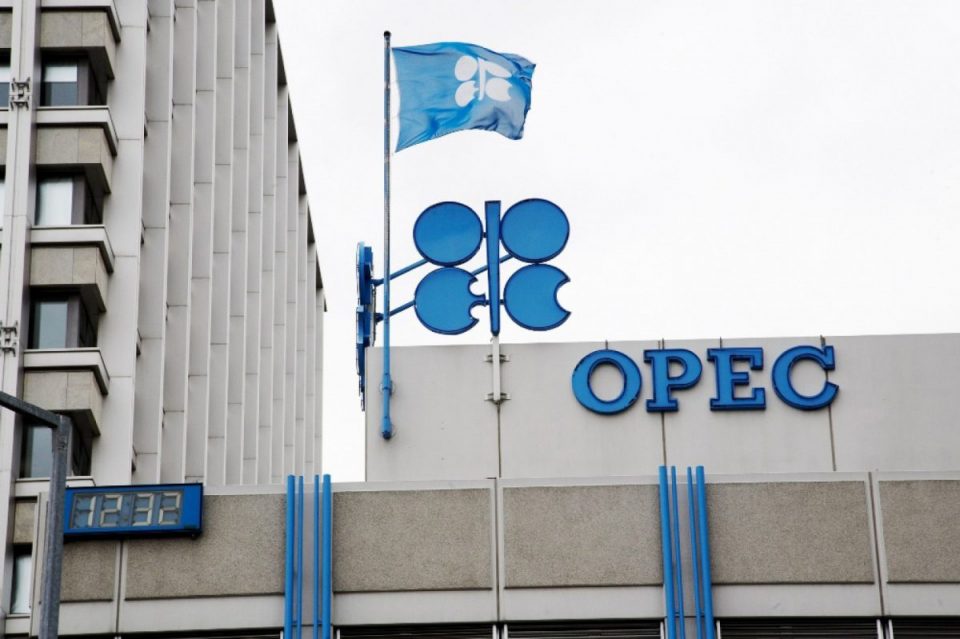
Surging oil production from non-OPEC countries led by the United States along with abundant global stocks will help the market weather political shocks such as the U.S.-Iran stand-off, the International Energy Agency (IEA) said on Thursday.
“For now the risk of a major threat to oil supplies appears to have receded,” the Paris-based IEA said in a monthly report.
“Today’s market, where non-OPEC production is rising strongly and OECD stocks are 9 million barrels above the five-year average, provides a solid base from which to react to any escalation in geopolitical tension,” the IEA said.
The IEA said it expected production to outstrip demand for crude from the Organisation of the Petroleum Exporting Countries (OPEC) even if members comply fully with a pact with Russia and other non-OPEC allies to curb output.
Even if they adhere strictly to the cuts, there is still likely to be a strong build in inventories during the first half of 2020,” the IEA said.
It estimated OPEC crude production at 29.3 million barrels per day (bpd) in January, 700,000 bpd above the projected demand for it.
Still, the IEA said global oil supply tumbled by 780,000 bpd in December month on month as Saudi Arabia reined in production and due to a seasonal fall in biofuel production, with U.S. output growth rising but more slowly than in previous years.
Demand growth in China and India was up sharply but was flat in the United States for 2019, and the IEA kept its global demand growth forecast steady at 1.2 million bpd.
The estimate is up 200,000 bpd from its 2019 prediction, “supported partly by prices remaining relatively subdued, higher global GDP growth than last year and by progress in settling trade disputes.”
Despite its confidence in global supply and stocks, the IEA highlighted concern over Iraq, where the United States killed a top Iranian general this month and ratcheted up regional tensions, calling it “a potentially vulnerable supplier”.
“Heightened security concerns might make it more difficult for Iraq to build production capacity,” the IEA said.