
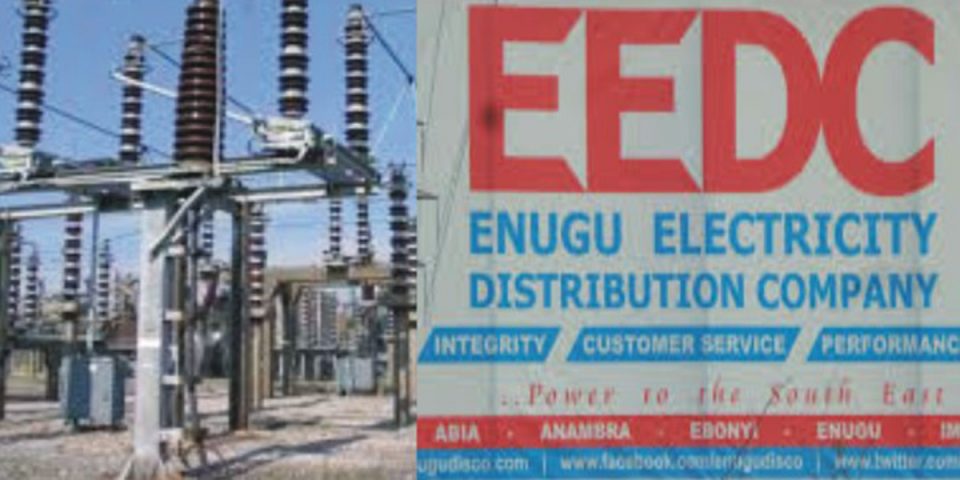
The Enugu Electricity Distribution Company (EEDC) says it will stop receiving cash payments above N3,000 from electricity consumers as from Feb. 1.
The company said this in a statement by the Head of Communications, EEDC, Mr Emeka Ezeh, on Wednesday in Enugu.
Ezeh said that customers making payments above N3,000 were expected to do so using electronic and other alternative cashless payment channels available to them from that date.
According to him, the move by the company is in compliance with the recent cashless policy initiative introduced by the Central Bank of Nigeria (CBN).
“As from Feb. 1, payments for electricity bills above N3,000 will no longer be accepted in cash at any EEDC’s payment outlets and offices,” he said.
He enumerated the electronic and other alternative payment channels to include: Point of Sale (PoS, using ATM cards), Energy Pay (by logging on to: www.enugudisco.com) and any bank outlet.
Others are collection agents (these include: Paga, Capricorn, Fidelity Bank, G-pay, Vatebra, Fucil Data tech and Direct Bank Transfer (mostly for Maximum Demand customers).
He said that the collection agents were present in rural communities and could also be found in all locations across EEDC franchise areas in the South-East.
Ezeh advised customers to support this initiative and comply by taking advantage of the range of electronic payment platforms in paying their electricity bills, and to always endeavour to obtain receipt after any payment.
He also appealed to customers to always pay their electricity bills, stressing that is the only way the sector can be efficient and be in a position to deliver improved services.
The Nigerian Electricity Regulatory Commission (NERC) through an order issued on Dec. 30, 2019, had directed the electricity distribution companies to migrate to cashless settlement platforms for its electricity bills collection for residential, industrial and commercial customers.
The order is in line with presidential directives geared towards reducing collection leakages and losses, as well as improving overall revenue assurance in the power sector