
The Federal Government on Thursday said the closure of Nigeria’s land borders was good for the economy as the country was now close to attaining self sufficiency in rice production.
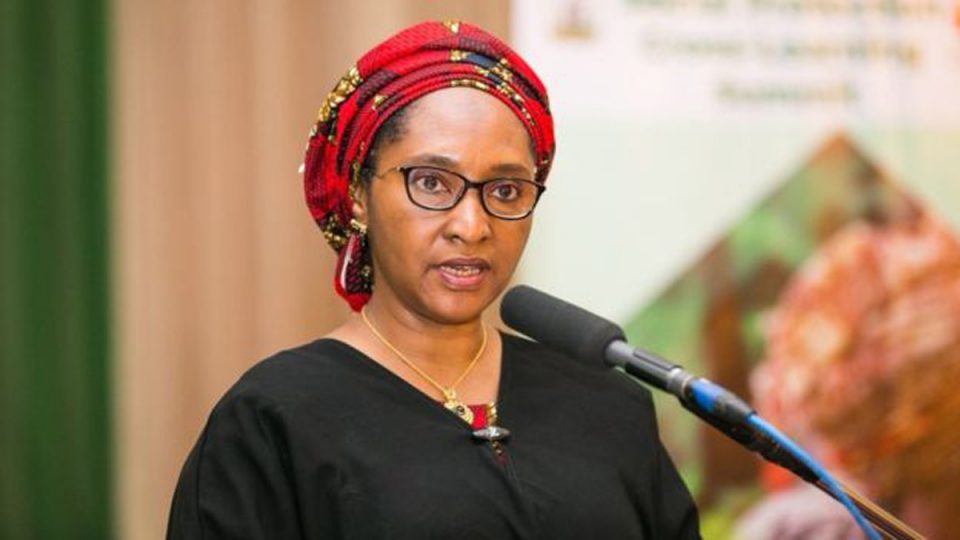
Minister of Finance, Budget and National Planning, Zainab Ahmed, also stated that the closure of the borders had enhanced the performance of the manufacturing sector in Nigeria, as well as improved security across the country.
She spoke at a press briefing organised by her ministry in Abuja to announce the forthcoming 26th National Economic Summit.
Ahmed said, “At the national level, the closure of the land borders is one of the boldest decisions ever taken by any administration to curb insecurity, smuggling as well as kidnapping.
“This has in a positive way impacted Nigeria as we are closer to attaining self sufficiency in rice production than at any time in point of history in our country.
“This spillover effect is also evident in other sectors, such as manufacturing, livestock, among others. This also provides an opportunity for the private sector to leverage increased local content and expand their businesses.”
The minister said to ensure a competitive economy, Nigeria must have a stable macro-economic condition and business climate that would keep transaction cost low, drive savings, improve investments and create jobs.
“This is where the role of government becomes critical in ensuring that enabling policies and strategies are put in place for the private sector to excel,” Ahmed stated.
She said the effective implementation of government policies enabled Nigeria to move 15 places to number 131 in the 2020 Ease of Doing Business report of the World Bank.
According to her, the Federal Government is also working on operational, regulatory and legislative interventions to enable the country to move up to position of 100 in the World Bank Ease of Doing Business ranking.
“As the nation awaits the passage of the Petroleum Industry Bill and the Finance Act 2020, we will be working together as partners to make sure that the amended CAMA will be fully implemented,” she said.
On his part, the Chairman, Nigeria Economic Summit Group, Asue Igbodalo, said a lot of work needed to be done to grow the Nigerian economy, going by recent report of the National Bureau of Statistics on the country’s Gross Domestic Product.
He said, “The general import of the GDP report is a confirmation that households and businesses in Nigeria have suffered significantly and are still suffering.”
Ighodalo, however, noted that the NESG was convinced that if the country continued to do the right things in a disciplined and determined manner, its economy would be on track for fast recovery.